Loading... because even our website needs a coffee break! ☕️
Greek Philosopher
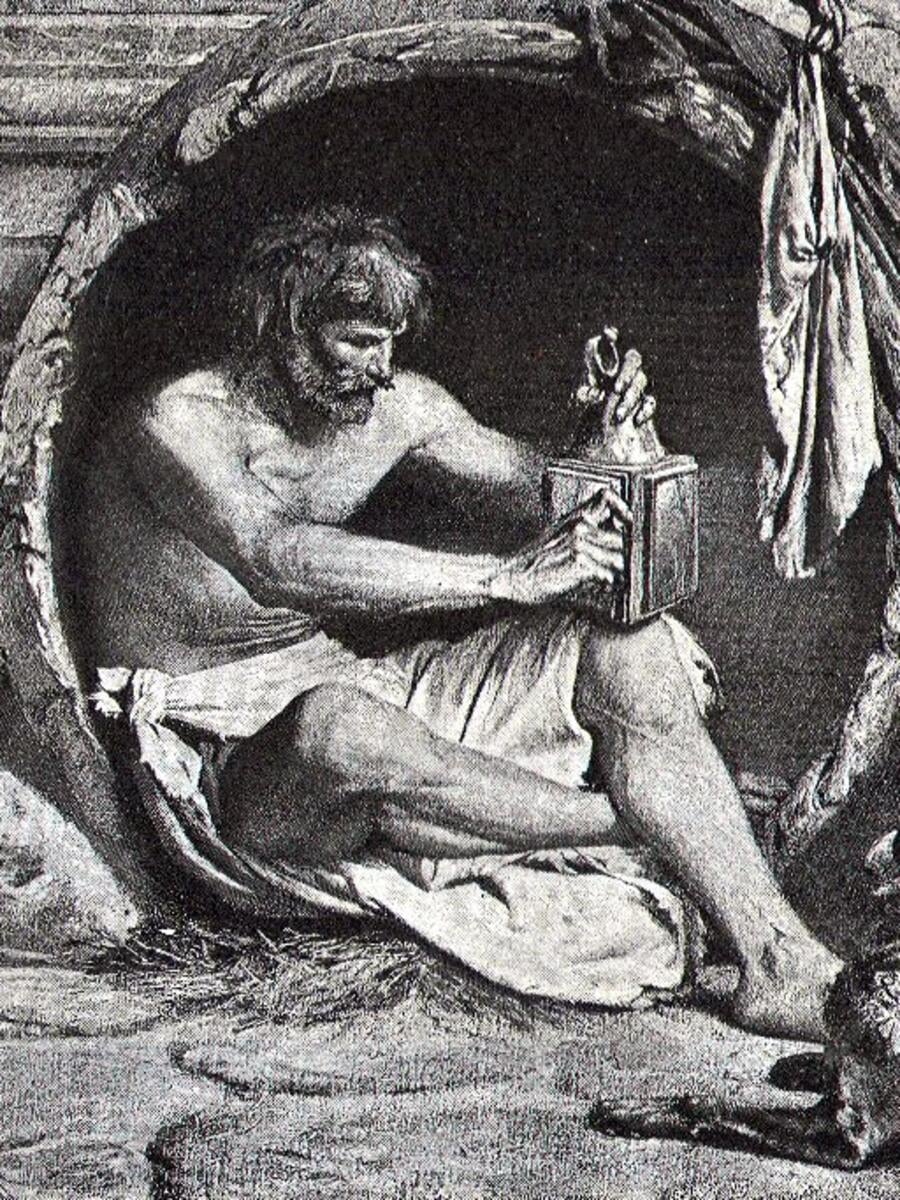
Diogenes of Sinope (c. 412 – 323 BCE) was an ancient Greek philosopher and a central figure of Cynicism, a school advocating virtue through simplicity and living in accordance with nature. Renowned for his biting wit and rejection of social conventions, he became a symbol of philosophical freedom and shameless honesty.
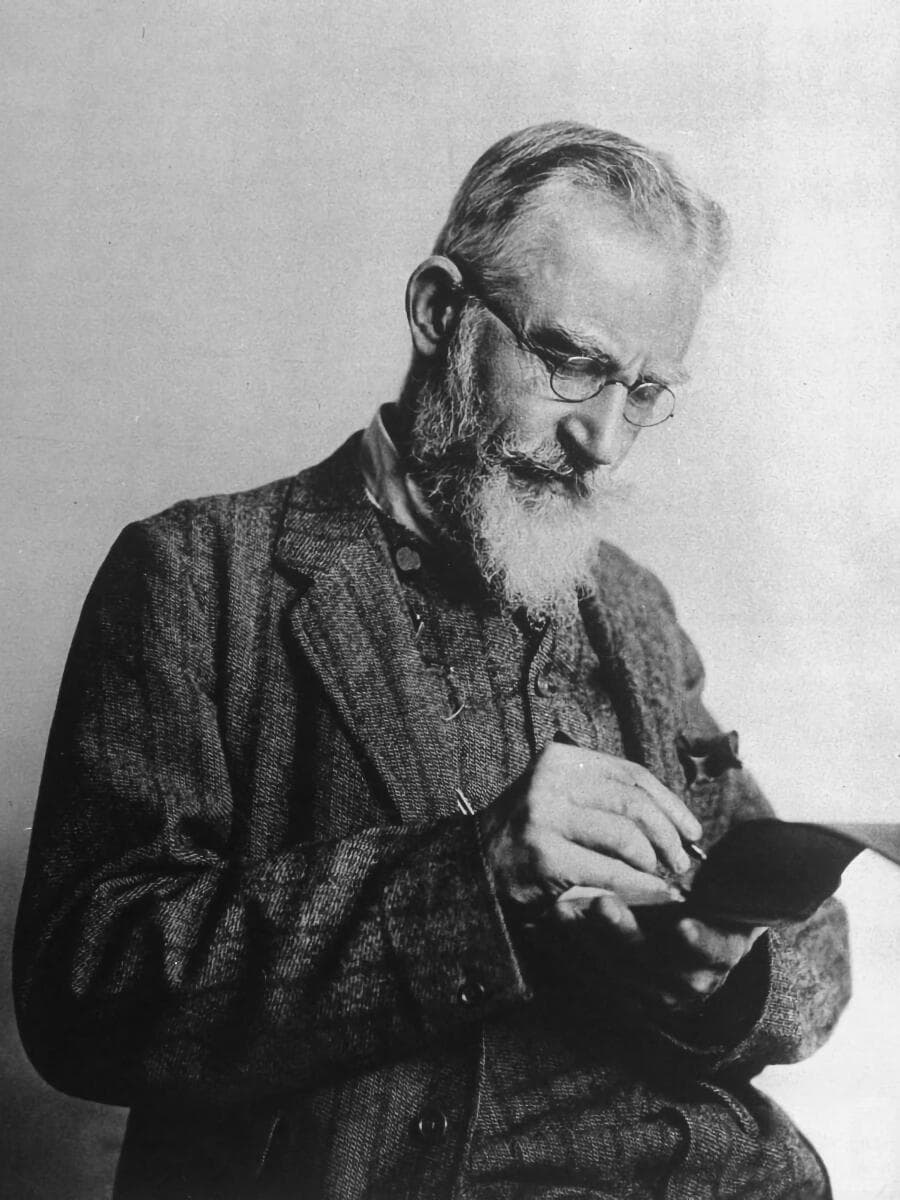
Irish playwright, critic, polemicist and political activist
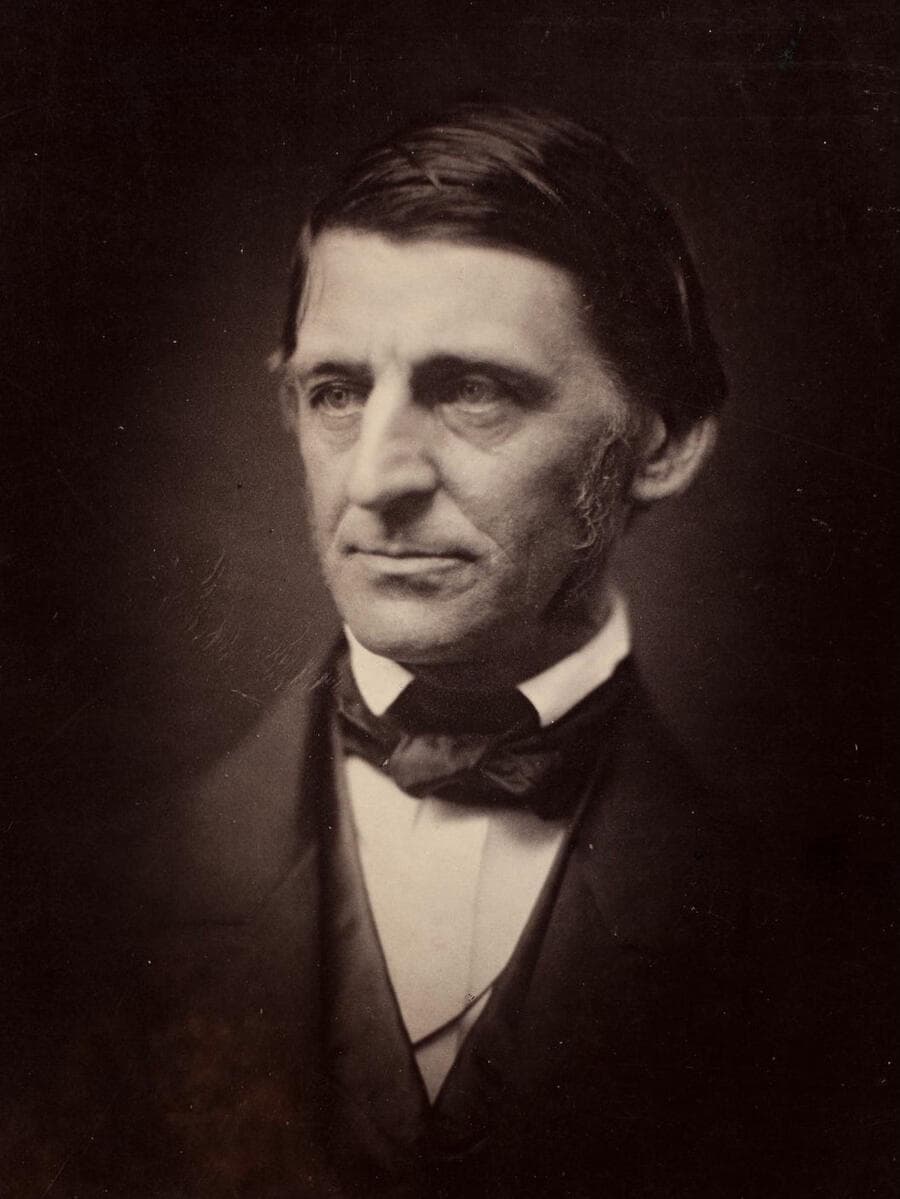
Ralph Waldo Emerson was an American essayist, lecturer, philosopher, and poet who led the Transcendentalist movement of the mid-19th century. He was a leading advocate of individualism and self-reliance.
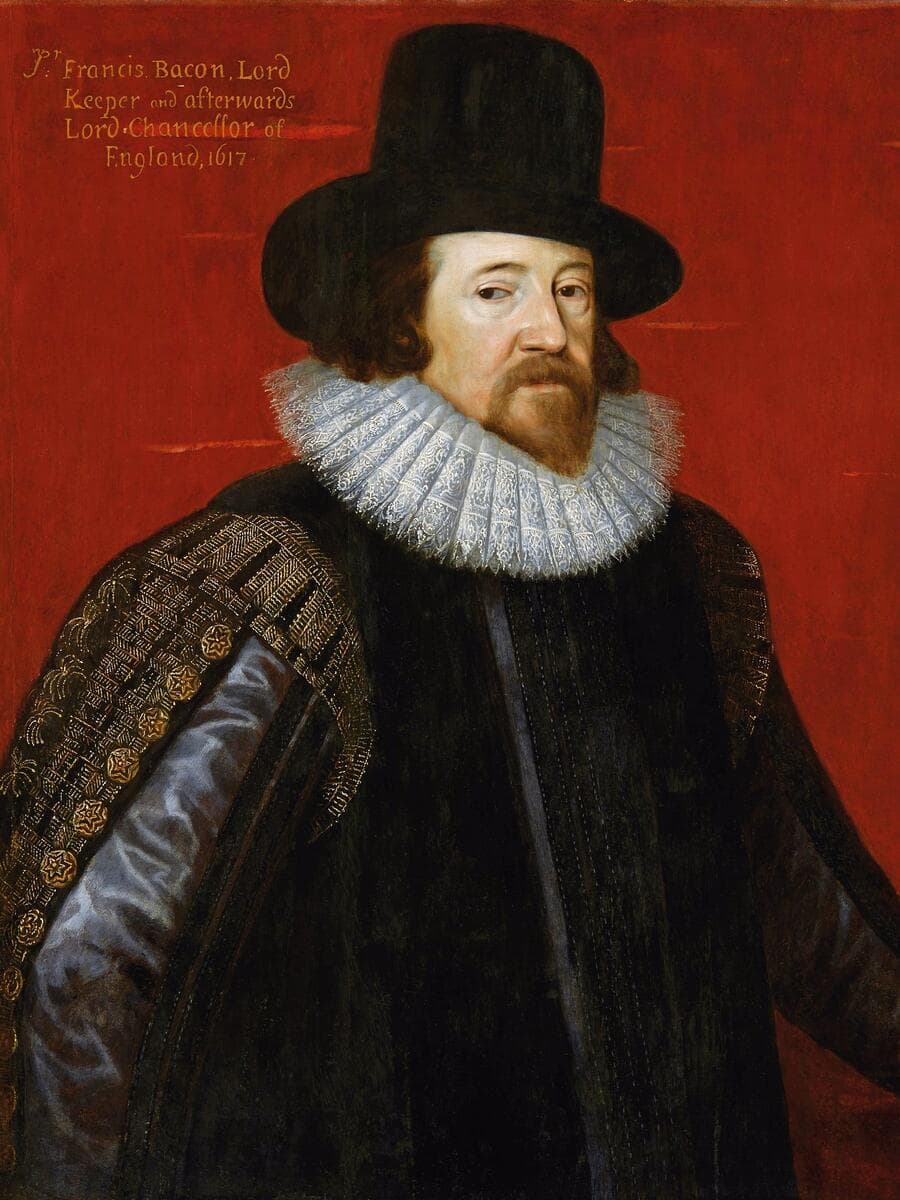
Sir Francis Bacon was an English philosopher, statesman, and lawyer who established the empirical scientific method, emphasizing observation and experimentation over established doctrine. Known as the "father of empiricism," his major works include Novum Organum and The Advancement of Learning. He served as Lord Chancellor before dying of pneumonia.
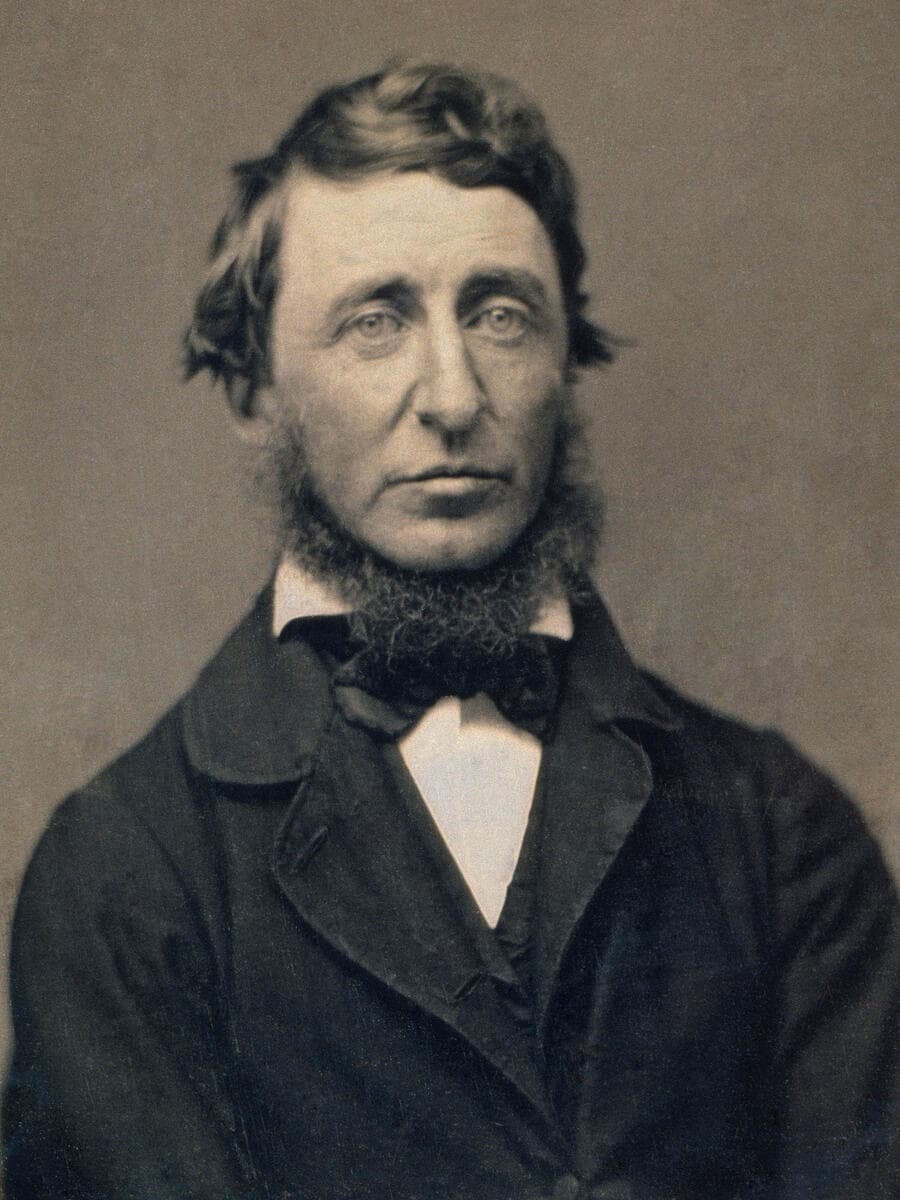
Henry David Thoreau was an American author, philosopher, naturalist, and social reformer. A leading transcendentalist, he's best known for Walden (1854), a reflection on simple living in nature, and his essay "Civil Disobedience", which advocates citizen disobedience against unjust governments. Thoreau was an outspoken abolitionist and conductor on the Underground Railroad.